Imagine you are a manager or a business owner who just bid a fond farewell to a hardworking employee. As they move on to a new opportunity, they ask you for an experience certificate to validate their tenure and achievements at your company. While you want to provide a professional document that truly reflects their contributions, you suddenly find yourself staring at a blank page, unsure of which formal phrasing or layout will best serve the employee’s future career. This is where a well-designed experience certificate template becomes an essential tool for any employer. Instead of spending hours drafting a document from scratch, you can utilize ready-made templates that ensure all critical details are covered. These professional layouts are designed for quick customization, allowing you to download a polished version and simply plug in the specific details to create a meaningful farewell gift.
Understanding Experience Certificate Template
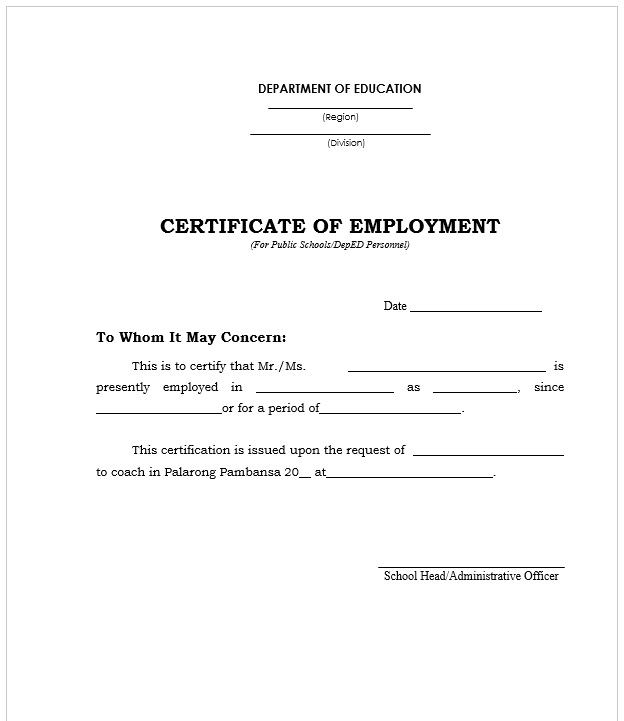
An experience certificate template is a pre-designed document layout that serves as a formal blueprint for creating a letter of experience. Its primary purpose is to provide a standardized format that employers or institutions can use to officially verify an individual’s tenure, job role, and key contributions. By using a template, an organization ensures that all essential details, such as the start and end dates and the employee’s designation, are included consistently and professionally.
These templates are most commonly used in professional settings when an employee leaves a company and needs proof of their work history to secure a new job. However, they are also utilized in educational contexts, such as when a teaching assistant or researcher completes a project at a university. In some personal or volunteer contexts, these documents act as formal recognition of a person’s dedication and skills. Ultimately, the template simplifies the process of drafting a legal and credible document that validates a person’s professional journey.
Common Uses of Experience Certificate Template
In the fast-paced world of professional growth, an experience certificate serves as a vital bridge between one’s past achievements and future opportunities. Imagine a dedicated marketing executive who has spent five years helping a startup scale; when they decide to transition to a corporate giant, a professional template ensures their contributions are formally validated, making the onboarding process seamless. Similarly, in the healthcare sector, a nurse moving from a small community clinic to a specialized city hospital needs a standardized document to prove their clinical hours and specialized skills to the new administration. This need extends to the academic world, where a guest lecturer might require a formal letter of experience to apply for a permanent faculty position at a university. Even in freelance or contractual settings, a business owner might use a template to provide a departing consultant with a clear record of their project milestones and tenure, ensuring the consultant can present a polished portfolio to prospective clients. Beyond high-level corporate roles, a part-time retail employee entering the job market for the first time may rely on such a document to transform a simple summer job into a legitimate credential for their first full-time career move. By providing a structured format, these templates eliminate guesswork for HR managers and give employees the confidence that their hard work is officially recognized.
Essential Components of an Experience Certificate
A professional experience certificate must begin with an official company letterhead to establish institutional authenticity and provide immediate visual credibility. The document should lead with a clear title and a date of issuance, ensuring the timeline of the employee’s tenure is accurately recorded for future background checks. The employee’s full name and job title are critical as they uniquely identify the individual and define the specific professional capacity in which they served. Central to the document is the duration of employment, detailing the exact start and end dates to validate the candidate’s years of experience. To add substantial value, a description of key responsibilities and achievements should be included; this transforms the certificate from a mere attendance record into a testament of the employee’s skills and contributions. Finally, the certificate must conclude with the signature of a manager or HR representative and an official company seal. These closing elements act as a formal verification, preventing forgery and confirming that the information provided is endorsed by the organization’s leadership, thereby making the document a reliable asset for the employee’s career progression.
Different Styles of Experience Certificate Template
The design of an experience certificate often mirrors the professional identity of the organization issuing it, serving as both a legal testament to employment and a reflection of company culture. In high-stakes corporate environments, such as law firms or financial institutions, the formal style is the gold standard. This approach prioritizes austerity and authority, typically utilizing a clean white or cream background with traditional serif typography and a centered layout. These templates avoid excessive ornamentation, focusing instead on official letterheads and authorized signatures to convey a sense of reliability and timeless professionalism.
As workplace cultures evolve, many creative agencies and tech startups have shifted toward a modern style of certification. These templates break away from the rigid symmetry of traditional documents, often incorporating asymmetrical layouts, bold sans-serif fonts, and a strategic use of corporate colors. The modern aesthetic is designed to feel fresh and dynamic, mirroring the innovative nature of the industry. By integrating geometric shapes or subtle gradients, these certificates act as a bridge between a formal document and a branded asset, making them visually appealing for employees to share on professional digital networking platforms.
In certain contexts, such as art galleries, fashion houses, or non-profit organizations, a decorative style may be employed to add a layer of prestige and celebration. These templates often feature intricate borders, ornate flourishes, or a sophisticated use of gold foil elements to give the document a “diploma-like” quality. While they still maintain the necessary professional information, the emphasis is on the visual honor of the achievement. The decorative approach transforms the certificate from a mere piece of paperwork into a keepsake, acknowledging the employee’s contribution with a touch of elegance.
Ultimately, the choice between these variations depends on the intended purpose and the image the company wishes to project. Whether the goal is to project unwavering stability through a formal layout, forward-thinking energy through a modern design, or artistic appreciation through a decorative frame, the template serves as the final handshake between the employer and the departing professional. By aligning the visual style with the organization’s core values, the experience certificate becomes more than just a verification of tenure; it becomes a meaningful symbol of a professional journey.
Download Free Experience Certificate Letter

How to use Experience Certificate Template
Begin by browsing the available options and selecting a design that matches your company’s brand identity. Once you find the ideal layout, download the file to your local device in your preferred format, such as Word or PDF. Open the file using the appropriate software to enter the editing mode.
Your first priority is to replace the placeholder text with the employee’s specific details. Carefully enter the full name of the individual, their official job title, and the exact duration of their employment. Ensure that the start and end dates are accurate to avoid any legal or professional discrepancies. In the main body of the certificate, describe the key responsibilities the employee handled and highlight any significant achievements or strengths they demonstrated during their tenure.
After tailoring the content, move to the authorization section. Type in the name and designation of the manager or HR representative who will be signing the document. If your company has an official digital letterhead or logo, upload it to the top of the page to ensure the document looks authentic and professional.
Before finalizing, proofread the entire document to correct any typos or formatting errors. Once you are satisfied with the result, save the final version as a PDF to prevent any further accidental changes. You can now print the certificate on high-quality cardstock for a physical handover or email the digital copy directly to the former employee for their professional records.
Customizing Experience Certificate Template
Customizing an experience certificate begins with selecting a template that matches the professional tone of your organization. Using a word processor or a web-based editor, you can start by updating the placeholder text with specific employee details. You should replace generic labels with the employee’s full name, exact job title, and the precise dates of their tenure to ensure the document is legally and professionally accurate.
To enhance the visual appeal, you can modify the design and layout settings. Most editors allow you to change the font style and size to improve readability or align the text with your brand identity. You can adjust the margins and alignment to center the content or create a more modern, asymmetrical look. Incorporating your company logo is a crucial step, which can be done by using the insert image function and positioning it at the top or bottom of the page.
Finally, refine the layout by adding a digital signature field or a formal company seal. You can use shape tools to create a professional border or change the page background color for a subtle, sophisticated touch. Once you have reviewed the text for clarity and the design for consistency, save the final version as a PDF to ensure the formatting remains locked and professional when sent to the employee.
Why Use Our Templates
Creating a meaningful acknowledgement of a team member’s hard work should not be a stressful administrative chore. Our experience certificate templates are designed to bridge the gap between efficiency and elegance, allowing you to generate polished, high-quality documents in a fraction of the time it would take to design one from scratch. By eliminating the need for complex graphic design skills, these templates provide a seamless user experience where you can simply plug in your details and produce a result that looks like it came from a professional studio.
Beyond the sheer convenience, choosing our templates ensures that your organization maintains a consistent and authoritative image. A well-structured certificate not only validates a professional’s tenure but also reflects the prestige of your company. Instead of wrestling with formatting issues and alignment errors, you can focus on the words of appreciation that truly matter. Investing in these ready-to-use assets means you save valuable hours of labor while delivering a sophisticated final product that employees will be proud to display throughout their careers.