The transition from the structured environment of a classroom to the freedom of home is often the most chaotic part of a child’s day. For parents, this “after-school rush” is a whirlwind of snack preparation, homework battles, extracurricular commutes, and the looming pressure of dinner time. Without a clear plan, these hours can become a source of significant stress for both adults and children.
This is where a structured after-school schedule template becomes an essential tool for household management. Rather than relying on memory or verbal reminders—which often lead to arguments—a visual schedule provides a predictable roadmap for the afternoon. By establishing a consistent routine, families can reduce decision fatigue, eliminate power struggles, and ensure that both academic responsibilities and necessary downtime are prioritized.
What Is an After School Schedule Template?
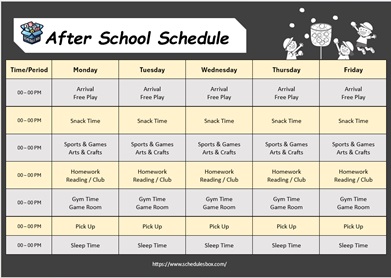
An after school schedule template is a customizable organizational tool designed to map out the hours between the final school bell and the child’s bedtime. Unlike a rigid school timetable, this template is designed for flexibility, balancing “must-do” tasks (like homework and chores) with “want-to-do” activities (like play and creative hobbies).
These templates typically exist in various formats: printable PDF checklists, digital spreadsheets, or colorful visual charts for younger children who cannot yet read. The core objective is to translate the daily expectations of the household into a tangible format that children can follow independently, fostering a sense of autonomy and accountability.
Purpose and Importance
The primary purpose of using a structured schedule is to provide predictability. Children thrive on routine; knowing what comes next reduces anxiety and helps them transition from one activity to another without resistance.
Beyond emotional stability, an after-school schedule template serves several critical functions:
- Cognitive Load Reduction: When a child knows that “Snack” is followed by “Homework,” they don’t have to ask “What do I do now?” every ten minutes.
- Time Management Skills: By visualizing the blocks of time available, children begin to understand the concept of time allocation and how to prioritize tasks.
- Conflict Resolution: A written schedule acts as the “neutral third party.” Instead of a parent nagging a child, the schedule becomes the authority, shifting the dynamic from a power struggle to a goal-oriented process.
- Balanced Development: It ensures that the day isn’t consumed entirely by academics or screens, carving out dedicated space for physical activity and restorative rest.
Key Elements Included
A comprehensive after-school schedule template is more than just a list of times. To be effective, it should include several specific components tailored to a child’s developmental stage:
1. Transition Rituals
The “decompress” phase. This includes unpacking the school bag, hanging up coats, and a period of quiet time or a healthy snack to refuel the brain after a long day of learning.
2. Academic Blocks
Dedicated slots for homework, studying for upcoming tests, or reading. High-quality templates often split this into “Focused Work” and “Review,” allowing children to tackle the hardest subjects first.
3. Essential Chores
Small, age-appropriate contributions to the household, such as feeding a pet, clearing the table, or putting away laundry. Integrating these into the schedule prevents them from feeling like “extra” burdens.
4. Physical Activity and Play
Unstructured “free play” or organized sports. This is critical for sensory regulation and physical health after hours of sitting at a desk.
5. Hygiene and Bedtime Prep
A wind-down sequence including showers, pajamas, and tooth brushing, leading into a consistent sleep schedule.
6. Visual Cues
For younger children, templates include icons (a book for reading, a plate for dinner) to make the schedule accessible regardless of reading level.
Download Free After School Schedule Template?

Benefits of Using a Template
While you could simply write a list on a piece of paper, using a professional template offers distinct advantages in efficiency and psychological impact:
- Time Savings: Templates eliminate the need to reinvent the wheel every week. You simply plug in the specific activities for the day and print.
- Consistency: A template ensures that the “non-negotiables” (like reading or hygiene) aren’t forgotten during hectic weeks.
- Professional Appearance: A clean, well-designed layout is more inviting and less intimidating to a child than a cluttered handwritten list.
- Increased Independence: When a child can check off a box on a template, they receive a dopamine hit of achievement, encouraging them to complete tasks without adult prompting.
- Better Record Keeping: For parents tracking a child’s progress or identifying where “time leaks” occur (e.g., spending two hours on a 20-minute math assignment), a template provides a historical record of how time was spent.
Who Can Use This Template?
The versatility of an after-school schedule template makes it applicable to various demographics and scenarios:
Elementary School Students
Focuses heavily on visual cues and a balance between play and basic homework. The goal here is habit formation and learning how to follow a sequence.
Middle and High School Students
The focus shifts toward time blocking and autonomy. These users require templates that allow for deeper focus sessions, study groups, and a more complex array of extracurricular commitments.
Neurodivergent Children (ADHD/Autism)
For children who struggle with executive function, a highly structured template is not just helpful—it is often essential. It provides the external structure they need to manage transitions and avoid sensory overload.
Single Parents and Working Households
For parents who may not be home until 5:00 or 6:00 PM, a template serves as a “silent supervisor,” ensuring the child stays on track with their responsibilities until the parent returns.
How to Customize the Template
A template is a starting point, not a rigid law. To make your after-school schedule work, follow these customization steps:
- Audit the Current Chaos: For three days, track exactly what happens after school. Note where the bottlenecks occur (e.g., “the 4:00 PM meltdown”).
- Consult the Child: Give your child a voice in the process. Let them choose whether they want “Play Time” before or after “Homework Time.” This increases their buy-in.
- Build in “Buffer Time”: Never schedule activities back-to-back. Add 10-15 minute buffers for spills, lost shoes, or simply needing a break.
- Color Code by Category: Use different colors for different types of activities (e.g., Green for fun, Blue for school, Yellow for chores).
- Keep it Visible: Place the finished template in a high-traffic area, such as the refrigerator or a dedicated command center, and protect it with a laminate sheet for use with dry-erase markers.
Common Mistakes to Avoid
Even with a great template, some pitfalls can undermine your success. Avoid these common errors:
- Over-Scheduling: The biggest mistake is filling every minute. Children need “white space” in their day to imagine, create, and simply be bored.
- Lack of Flexibility: If a child is having an emotionally difficult day, forcing them to adhere strictly to the template can cause more stress. Be prepared to pivot.
- Setting Unrealistic Expectations: Scheduling two hours of intense focus for a seven-year-old is a recipe for failure. Align the schedule with the child’s developmental capacity.
- Ignoring the “Wind-Down”: Jumping straight from a high-energy activity (like soccer) to a high-concentration activity (like math) often fails. Always include a transition period.
Related Templates and Documents
To create a fully optimized home environment, consider pairing your after-school schedule template with these complementary resources:
- Weekly Chore Chart: To manage larger weekly tasks that don’t fit into the daily afternoon window.
- School Lunch Planner: To reduce morning stress and ensure nutritional balance.
- Reading Log Template: To track books read and encourage literacy habits during the “Reading Block.”
- Morning Routine Checklist: To mirror the after-school structure and ensure a calm start to the day.
- Family Command Center Organizer: A master document to track all family appointments, sports games, and school events.
Frequently Asked Questions (FAQ)
How do I get my child to actually follow the after-school schedule?
The key is incentivization and involvement. Let them help design the schedule. Implement a “reward system” where completing the schedule earns them a specific privilege, such as extra screen time or a favorite dessert on Fridays.
What is the best time for homework: immediately after school or after a break?
This depends on the child. Some children prefer to “get it over with” while still in a school mindset. Others suffer from “cognitive fatigue” and need a 30-60 minute break with a snack and physical play to recharge their brain before focusing again.
Should I use a digital app or a printable paper template?
For younger children and those with ADHD, printable paper templates are generally superior. The physical act of checking a box and the visual presence of the chart on the fridge provide a constant reminder that digital notifications often lack.
How do I handle extracurricular activities that change days?
Use a “modular” template. Have a base daily routine and use “activity cards” or sticky notes to plug in specific sports or music lessons on the days they occur. This keeps the core routine stable while allowing for variability.
Can an after-school schedule help with bedtime struggles?
Yes. By including a “wind-down” sequence (e.g., pajamas, reading, lights out) in the template, you remove the element of surprise and negotiation. The schedule tells the child it is time for bed, rather than the parent “forcing” it.
Conclusion
An after-school schedule template is more than just a piece of paper; it is a blueprint for a calmer, more productive home. By removing the guesswork from the afternoon and replacing it with a clear, visual guide, you empower your children to take ownership of their time and reduce the friction that so often characterizes the end of the school day.
Whether you are managing a toddler’s nap schedule or a teenager’s complex array of AP classes and sports, the principles of structure, predictability, and balance remain the same. Start by downloading a template, customizing it to fit your family’s unique rhythm, and watch as the afternoon rush transforms into a period of organized growth and quality family time.